

When a fire alarm sounds, the seconds that follow can prove decisive. Yet human beings do not always behave in the way that safety planners might hope. Understanding how fire evacuation signs shape behaviour during an emergency is essential to building safer environments for everyone.
In brief
- High stress levels during emergencies impair rational decision-making, making instinctive responses from training essential.
- Clear, high-contrast signage is critical for rapid communication because poor visibility and alarm fatigue can cause individuals to ignore safety warnings.
- Photoluminescent and illuminated materials are vital for maintaining sign legibility when smoke obscures ambient light during a fire.
- Placing signs at low levels is more effective for emergency evacuation, as cleaner air stays closer to the floor in smoke-filled environments.
- Effective wayfinding systems function best when signs are placed strategically at key decision points like stairwells and corridor junctions.
- Regular safety drills and simulations anchor evacuation routes in memory, allowing people to navigate safely even under high-pressure conditions.
Why do people respond differently to visual cues when panic sets in?
The psychology behind decision-making under stress
The moment a person becomes aware of a genuine fire threat, the brain shifts into a heightened state of alert that can paradoxically undermine clear thinking. Emergency evacuation relies on individuals making rapid, rational choices, yet stress has a well-documented tendency to impair that very capacity. In chaotic conditions, people may forget familiar evacuation procedures, overlook warning signs they would ordinarily notice, or freeze entirely when confronted with unfamiliar hazards. This is partly rooted in risk perception: hazards that feel familiar tend to be judged as less threatening, while those that feel sudden or uncontrollable can trigger disproportionate panic. Fire drills and consistent safety training help to counteract this by making the correct response feel almost instinctive, reducing the cognitive load at the worst possible moment.

How visibility and colour contrast affect reaction times
A sign that cannot be seen is, in practical terms, no sign at all. Research into human behaviour during emergencies consistently highlights that clarity of visual communication is among the most powerful tools available. High-contrast colour combinations, such as the internationally recognised green and white, allow the eye to register directional information rapidly, even under conditions of stress management failure. Poor signage placement or faded colours contribute directly to alarm fatigue by creating confusion that erodes trust in the entire safety system. When people have experienced repeated false alarms, their perceived credibility of any warning diminishes, making clear, authoritative signage all the more vital to cut through that scepticism.
What makes wayfinding signage effective in smoke-filled environments?
The role of illumination and photoluminescent materials
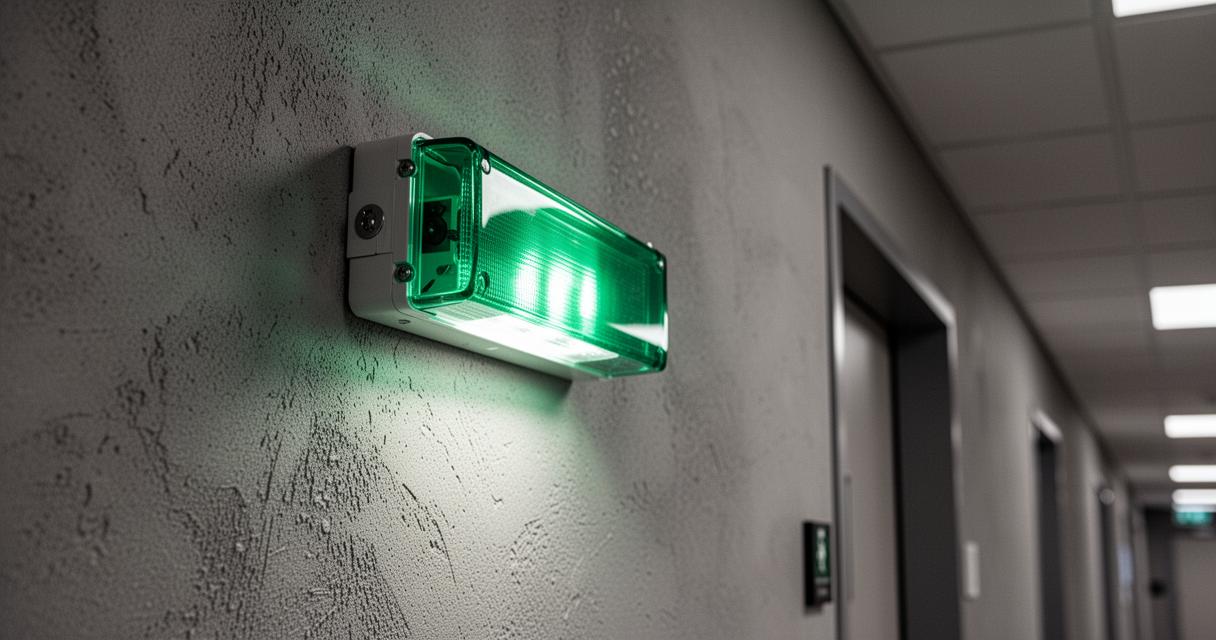
Smoke is one of the most disorienting elements of a real fire emergency, reducing visibility dramatically and causing fire hazards to compound one another rapidly. Standard printed signs become largely ineffective once ambient light is cut off or obscured. Illuminated and photoluminescent signs, which absorb and re-emit light, are specifically designed to remain legible when conventional lighting fails. This makes them a cornerstone of modern fire protocols and risk mitigation strategies in both commercial and residential buildings. Embedding these materials into low-level signage, closer to the floor where cleaner air tends to remain during a fire, further improves their practical value for emergency response.
Positioning strategies that guide instinctive movement
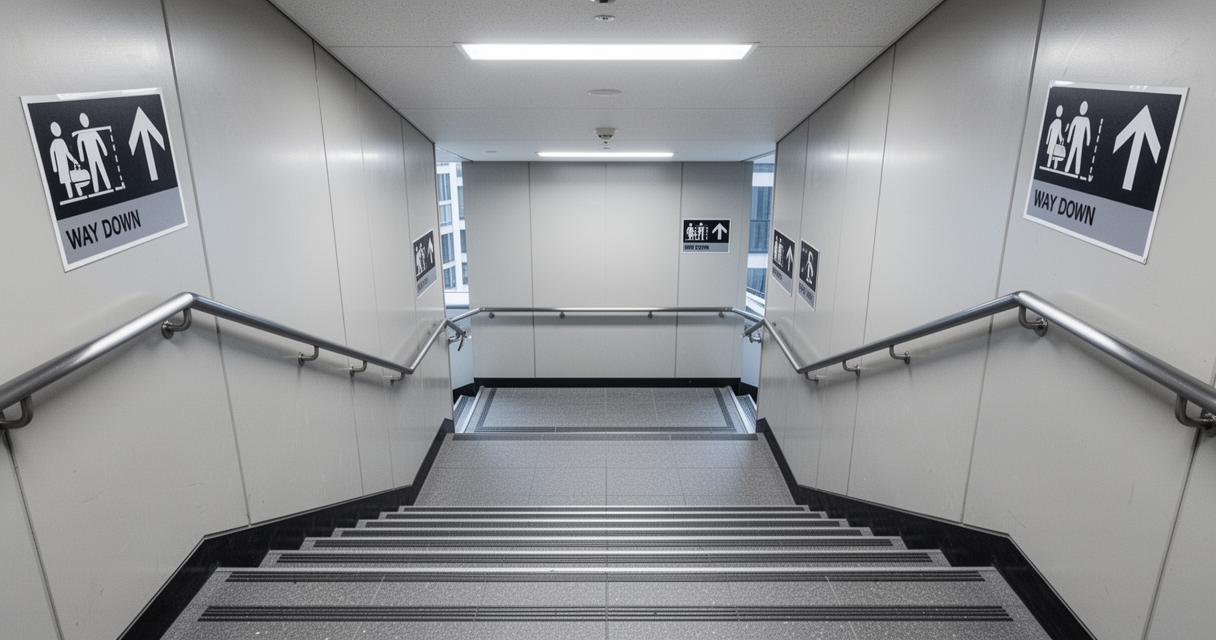
Effective wayfinding is less about individual signs and more about a coherent system that guides movement without requiring conscious deliberation. Safety culture within an organisation or building management team plays a significant role here: when fire awareness is treated as an ongoing priority rather than a box-ticking exercise, signage placement tends to be reviewed and updated regularly. Signs positioned at decision points — junctions, stairwells, and changes in corridor direction — align with the way the human brain navigates under pressure, supporting mental preparedness rather than working against it. Emergency simulations and drills that expose people to these routes in advance allow the visual cues to become anchored in memory, so that when smoke and noise create chaos, the path to safety still feels recognisable. Cultivating a strong sense of collective decision making and shared responsibility remains, ultimately, the most reliable foundation for any evacuation strategy.